

How Do I Transfer Money From One Bank to Another?
Maybe you opened a new savings account with better interest rates. Maybe you’re sending money to a family member at a different bank. Or you just want to move money around to stay organized.
Whatever the reason, transferring money between banks is something most Americans need to do regularly, yet many people are not sure of the fastest or safest way to do it.
This guide breaks it all down, step by step.
What Are the Different Ways to Transfer Money Between Banks?
There are four main methods, and each one works differently in terms of speed and cost.
What is an ACH transfer and how long does it take?
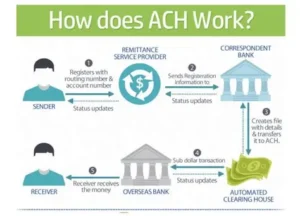
An ACH transfer is a bank-to-bank electronic transfer that uses the Automated Clearing House network. This is what most people use when they move money between their own accounts at different banks.
How long it takes: Standard ACH transfers take one to three business days. Many banks now offer same-day ACH for a small fee.
Cost: Usually free for personal transfers between your own accounts.
How to set it up: Log into your bank’s app or website. Find the Transfer or Move Money option. Choose external transfer. Enter your other bank’s routing number and account number. The bank will make two small test deposits to verify the account, and within a day or two you can confirm and begin transferring.
What is a wire transfer and when should I use it?
A wire transfer is a direct bank-to-bank transfer that moves money faster than ACH. Domestic wire transfers usually arrive the same business day if sent before the bank’s cutoff time.
Cost: Typically $15 to $30 per transfer at most US banks. Some premium accounts waive this fee.
When to use it: When you need to send a large amount of money quickly, such as for a home closing, a vehicle purchase, or any situation where the other party needs funds confirmed the same day.
How to do it: Visit your bank in person or log into online banking and look for wire transfer options. You’ll need the recipient’s full name, bank name, routing number, and account number.
Can I use Zelle to transfer between banks?
 Yes, and it’s one of the easiest options. Zelle is built into the apps of most major US banks including Chase, Bank of America, Wells Fargo, Citibank, and hundreds of community banks and credit unions.
Speed: Money arrives in minutes in most cases.
Cost: Free.
Limits: Most banks cap Zelle transfers at $500 to $2,500 per day depending on your account type. You can call your bank to request a higher limit.
How to use it: Open your bank’s app, find the Send Money or Pay section, and look for Zelle. Enter the recipient’s phone number or email address. They receive the money almost immediately.
Important: Zelle transfers are instant and cannot be reversed once sent. Make absolutely sure the recipient’s information is correct before you confirm.
How Do I Link an External Bank Account for Transfers?
Most banks allow you to link external accounts through their app or website. Here’s how it typically works:
- Log into your bank’s app or online portal.
- Go to Transfers or Move Money.
- Select Add an External Account or Link a New Bank.
- Enter the routing number and account number of your other bank. These numbers are on your checks or in the other bank’s app.
- Your bank will send two small test deposits to the other account, usually between $0.01 and $0.99.
- Check the other bank account for those deposits, then return to your original bank and enter the exact amounts to verify.
- Once verified, you can transfer money between the accounts at any time.
What Is the Safest Way to Transfer Large Amounts of Money?
For large transfers, wire transfer is considered the most reliable method because it’s direct, confirmed, and traceable. However, you must be very careful about verifying the recipient’s banking details, especially if someone calls or emails you with updated wire instructions. Bank fraud and scams involving wire transfers are common.
If you’re receiving a large transfer from someone else, confirm all details directly with your bank before acting. Never accept changed wire instructions via email without calling the sender directly to confirm.
Frequently Asked Questions
Can I transfer money between banks instantly?
Zelle transfers between enrolled banks are nearly instant. Wire transfers sent before the bank cutoff time arrive the same business day. Standard ACH takes one to three days.
Is there a limit on how much I can transfer between bank accounts?
Yes. Limits vary by bank and transfer method. ACH transfers often have daily limits of $2,500 to $10,000. Wire transfers can handle larger amounts. Call your bank for your specific limits.
Do I need to pay taxes on bank transfers?
Transferring your own money between your own accounts is not taxable. Receiving money from someone else may or may not trigger a tax obligation depending on the amount and the relationship. Consult a tax professional for your specific situation.
What information do I need to transfer money to another bank?
You need the recipient’s bank name, routing number (nine digits), and account number. For Zelle, you only need their phone number or email address.
Transferring money between banks is simpler than most people expect. Choose the method that matches your timeline and amount, follow the steps above, and your money will arrive safely.
Visit HowToShareTips.com for more guides on banking, personal finance, and managing your money.

