
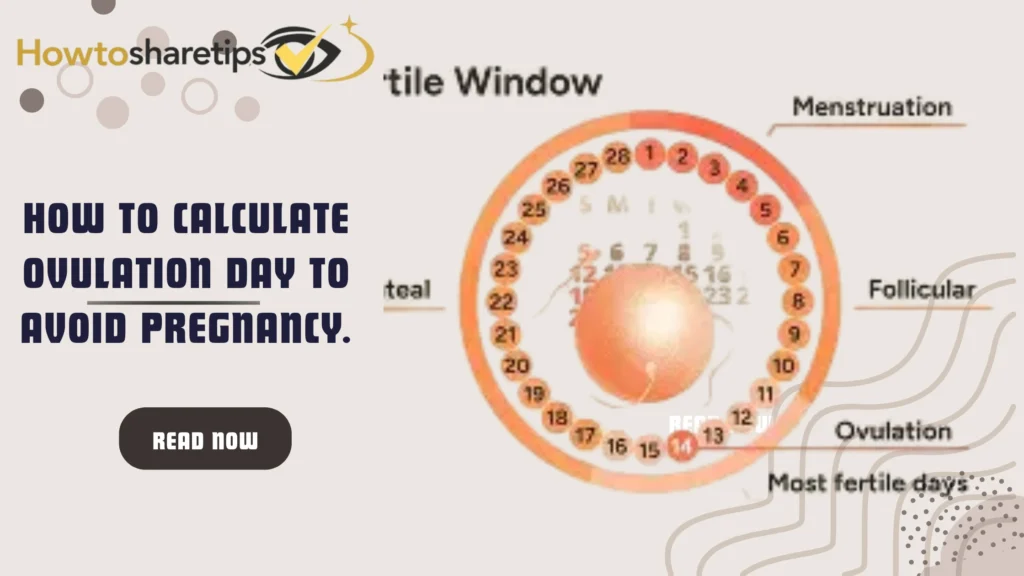

Understanding fertile days is crucial for anyone looking to plan a pregnancy or gain insight into their reproductive health. Fertile days refer to the time in your menstrual cycle when conception is most likely to occur, which usually coincides with ovulation. During ovulation, a mature egg is released from the ovary and is available for fertilization. Knowing when this happens allows couples to time sexual activity strategically, improving the chances of conception. Beyond family planning, tracking fertile days also helps women better understand their cycles, hormonal patterns, and overall reproductive health.
Fertile days are not just a single day; they include several days before and after ovulation. Sperm can survive for up to five days inside the female reproductive tract, while the egg remains viable for about twenty-four hours after release. This means that intercourse during the days leading up to ovulation, as well as the day of ovulation itself, maximizes the likelihood of conception. By identifying this fertile window, couples can focus their efforts effectively, avoid unnecessary stress, and feel more confident about their family planning journey.
Identifying the Start of Your Menstrual Cycle
The first day of your menstrual period marks the beginning of a new cycle and serves as the foundation for tracking fertile days. Menstruation typically starts with visible bleeding, which is usually red and more substantial than the light spotting that may occur beforehand. Some women experience brownish or pink spotting just before the main period begins. Recognizing the first day of full menstrual flow is critical, as it establishes the baseline for calculating the length of your cycle and predicting ovulation accurately.
Recording this start date consistently each month helps women understand their individual cycle patterns. Over time, this data allows for a clearer picture of fertility trends, irregularities, and overall reproductive health. By accurately noting when your cycle begins, you can also better anticipate premenstrual symptoms, hormonal fluctuations, and potential irregularities that may indicate underlying health issues. This information forms the backbone of effective fertility tracking and empowers women to make informed decisions about their reproductive health.
Standard, Short, and Long Menstrual Cycles
Menstrual cycles vary widely among women, and understanding your cycle length is crucial for determining fertile days. A standard menstrual cycle generally lasts around twenty-eight days, but short cycles may range from twenty-four to twenty-six days, while long cycles can extend to thirty-two or thirty-five days. Regardless of cycle length, ovulation typically occurs approximately fourteen days before the start of the next period. This consistency allows women to calculate their fertile window even if their total cycle length differs from the textbook standard.
Knowing whether you have a short, standard, or long cycle can also help identify irregularities or potential reproductive health concerns. For instance, very short or very long cycles might indicate hormonal imbalances, thyroid issues, or other medical conditions that require professional evaluation. By tracking cycle length over several months, women can identify patterns and predict ovulation more accurately. This knowledge not only aids in planning conception but also enhances awareness of menstrual health and overall well-being.
Calculating Your Fertile Window
The fertile window centers around the day of ovulation and represents the days when conception is most likely. Ovulation generally occurs about fourteen days before the start of the next period, regardless of whether your cycle is short, standard, or long. The days immediately preceding ovulation, as well as the day of ovulation itself, are considered the peak of fertility. Understanding this timing is essential for couples who want to increase the chances of conception naturally.
Tracking fertile days requires careful observation and recording of your cycle. Signs such as changes in cervical mucus, basal body temperature, or ovulation pain can provide additional clues to pinpoint the exact day of ovulation. Couples can use these indicators along with a calendar or tracking app to visualize the fertile window clearly. By consistently monitoring these patterns, women gain a better understanding of their reproductive health, and couples can optimize timing for conception effectively.
Using Online Fertility and Ovulation Calculators
Online fertility and ovulation calculators offer a convenient and accurate way to determine your fertile window. By entering the dates of your last two or three menstrual periods, these tools can estimate ovulation and highlight the days when conception is most likely. This is particularly useful for women with irregular cycles, as calculators can account for variability and provide a personalized prediction rather than relying solely on standard cycle lengths.
In addition to saving time, digital calculators make fertility tracking accessible and straightforward. Many apps also offer reminders, notifications, and the ability to log symptoms like cervical mucus changes or ovulation pain. Combining these tools with personal observation enhances accuracy and provides a comprehensive understanding of fertility patterns. Using calculators alongside manual tracking empowers women to plan conception with confidence and maintain insight into their reproductive health.
Benefits of Tracking Fertile Days
Tracking fertile days offers significant benefits beyond simply planning conception. Understanding your fertile window provides insight into hormonal fluctuations, cycle regularity, and potential reproductive health issues. Irregular cycles, missed ovulation, or unusual patterns can be early indicators of hormonal imbalances, thyroid problems, or other medical conditions that may require consultation with a healthcare professional.
Additionally, knowledge of fertile days allows couples to plan sexual activity efficiently, reduce stress, and increase the likelihood of conception naturally. For women not seeking pregnancy, awareness of fertile windows can help in avoiding unintended pregnancies using natural methods. Overall, tracking your fertility empowers women with control over their reproductive health, improves understanding of their body’s natural rhythm, and supports informed family planning decisions.
Frequently Asked Questions (FAQ)
Do I Need a Perfectly Regular Cycle to Track Fertile Days?
You do not need a perfectly regular menstrual cycle to track your fertile days, but it can make calculations easier. Even with irregular cycles, you can identify your fertile window by observing bodily signs such as changes in cervical mucus, basal body temperature, or mild ovulation pain. These indicators help you pinpoint ovulation more accurately than relying solely on average cycle lengths.
Tracking irregular cycles consistently over several months also provides valuable insight into your reproductive health. Patterns may emerge that help you predict ovulation and fertile days more precisely, even if your periods vary in length. Combining these observations with a fertility app or ovulation calculator can further improve accuracy and help with family planning.
How Accurate Are Fertile Day Predictions?
Fertile day predictions are generally accurate when based on consistent tracking and observation. Using methods like ovulation calendars, digital fertility trackers, and physical indicators increases reliability. However, external factors such as stress, illness, or changes in routine can temporarily affect ovulation and cycle length, so predictions are always approximate.
Even with minor variations, understanding your average fertile window is helpful for planning conception. Tracking multiple cycles allows you to establish patterns and refine predictions over time. Remember, while no method can guarantee exact ovulation, combining tools, observation, and knowledge of your body significantly improves accuracy.
Can Fertile Days Help with Conception?
Yes, identifying fertile days greatly improves the chances of conception. The fertile window represents the days when an egg is available for fertilization and sperm can survive to meet it. Timing intercourse during this window maximizes the likelihood of pregnancy naturally.
Couples can also use fertile day tracking to reduce stress and uncertainty during family planning. By knowing when ovulation occurs, they can plan sexual activity more effectively and avoid unnecessary attempts outside the fertile period. This strategic approach often leads to faster conception compared to relying on random timing alone.
Can Fertile Day Awareness Help Avoid Pregnancy?
Tracking fertile days is not only useful for conception but also as a natural family planning method to avoid pregnancy. By identifying the days when ovulation occurs, couples can abstain from intercourse or use barrier methods during the fertile window to reduce the likelihood of conception.
It’s important to note that fertility awareness methods require careful observation and consistency to be effective. Irregular cycles, missed signs, or miscalculations can reduce effectiveness. Combining cycle tracking with additional contraceptive methods provides extra protection for those avoiding pregnancy.
What Are the Best Ways to Track Fertile Days?
The most effective methods for tracking fertile days combine observation, technology, and record-keeping. Common indicators include monitoring cervical mucus changes, basal body temperature, and mild ovulation discomfort. Recording this information in a calendar or fertility app allows you to see patterns over multiple cycles.
Digital fertility trackers and ovulation calculators further enhance accuracy. Many apps can predict your fertile window based on past cycle data and provide reminders for key days. By combining natural observations with digital tools, women can better understand their reproductive health and plan conception or pregnancy avoidance confidently.
How Long Is the Fertile Window?
The fertile window typically lasts about six days per cycle, including the day of ovulation and the five days prior. This is because sperm can survive inside the female reproductive tract for several days, while the egg is viable for only about twenty-four hours after release.
Focusing on this window helps couples maximize the chances of conception naturally. Tracking cycles over time allows you to identify the most fertile days within this period and plan accordingly. Understanding this timeframe is essential for both family planning and reproductive health awareness.
Can Stress or Illness Affect Fertile Days?
Yes, stress, illness, and lifestyle changes can influence your menstrual cycle and ovulation timing. High stress levels, significant weight changes, or certain medications may delay or advance ovulation, altering your fertile window.
This makes consistent tracking even more important. Observing multiple cycles and combining physical indicators with fertility apps allows for a more reliable understanding of your fertile days despite occasional disruptions. Maintaining a healthy lifestyle can also help regulate cycles and improve the predictability of fertile days.


