
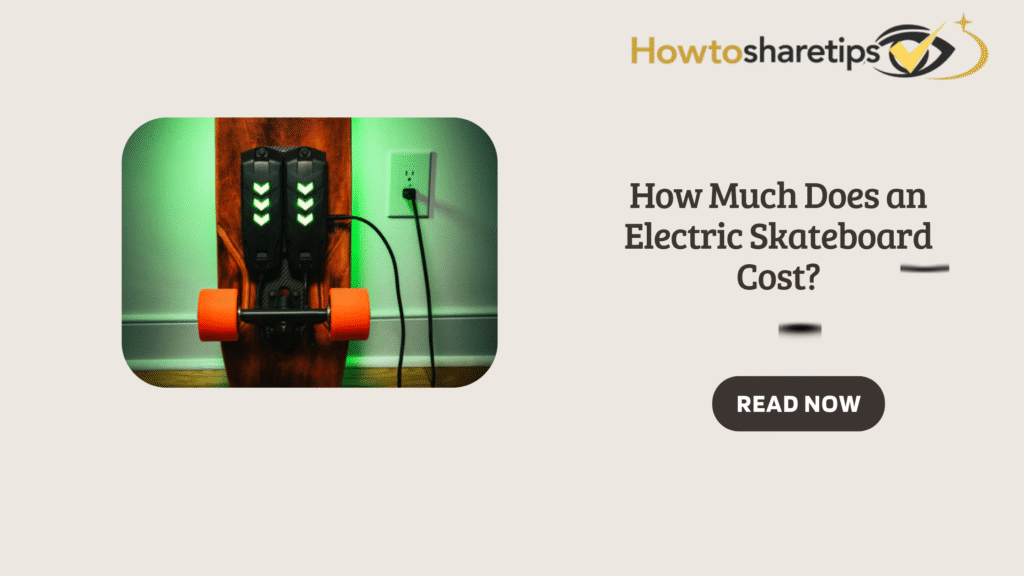

What Does an Electric Skateboard Do
Electric skateboards are transforming the way people travel short distances by combining the fun and freedom of traditional skateboarding with the convenience of modern electric propulsion. Unlike standard skateboards that rely on the rider’s physical effort to push, electric skateboards use a motor powered by a rechargeable battery, allowing riders to move quickly without exerting as much energy. Controlled through a handheld remote or a smartphone app, these boards can reach impressive speeds, making commuting, running errands, or exploring urban areas more efficient. They provide a smooth and effortless ride, making them accessible to beginners, casual riders, and even those who may lack the endurance for manual skateboarding.
Modern electric skateboards come equipped with advanced features that enhance safety, control, and customization. Many models include regenerative braking, which slows the board efficiently while also replenishing a small portion of the battery. Riders can adjust speed limits, acceleration settings, and even ride modes to match their skill level and the terrain. Higher-end boards often feature GPS tracking, anti-theft systems, and smartphone connectivity, allowing users to monitor battery life, control speed remotely, and track rides. These innovations make riding electric skateboards safer and more predictable, especially in crowded streets, hilly areas, or complex urban environments where precise handling is crucial.
Beyond convenience and performance, electric skateboards offer an environmentally friendly alternative to traditional short-distance transport. Powered entirely by electricity, they reduce reliance on cars or motorcycles, helping to cut down on carbon emissions and minimize traffic congestion in cities. Their compact size and portability allow riders to easily combine them with public transportation or store them in apartments, offices, or classrooms. Additionally, electric skateboards provide recreational benefits, enabling riders to explore parks, neighborhoods, and scenic routes with ease. As technology advances, these boards are becoming increasingly efficient, reliable, and enjoyable, positioning them as a practical, fun, and sustainable mode of transportation for modern lifestyles.
Advanced Features for Safety and Control
Modern electric skateboards are equipped with a range of features designed to enhance both safety and rider control. One of the most important advancements is regenerative braking, which allows the board to slow efficiently while simultaneously recharging a small portion of the battery. This feature not only extends battery life but also provides a smoother and more controlled deceleration, reducing the risk of sudden stops that could cause accidents. Many boards also allow riders to adjust speed limits and acceleration curves, tailoring performance to personal skill levels and varying terrain, from flat streets to steep hills.
High-end electric skateboards take safety and control a step further by integrating smartphone connectivity and advanced electronics. Riders can monitor battery life, track ride data, and fine-tune performance settings through dedicated apps. Some models include GPS tracking for route planning and anti-theft systems that lock the board remotely if stolen. These features give riders confidence and convenience, especially in urban environments where navigating traffic safely is essential. With real-time feedback and adjustable settings, riders can enjoy a highly controlled and personalized riding experience.
Additionally, many modern boards incorporate robust build quality and high-performance components to improve stability and handling. Durable deck materials, responsive trucks, and advanced motor systems all work together to ensure the skateboard reacts precisely to rider input. Features such as shock-absorbing wheels and vibration-dampening components further enhance ride smoothness, reducing fatigue and improving overall safety. By combining intelligent technology with quality construction, electric skateboards deliver a riding experience that is both enjoyable and secure, even for less experienced riders.
Environmentally Friendly Commuting
Electric skateboards provide a sustainable alternative to traditional short-distance transportation, helping reduce environmental impact while offering convenience. Unlike cars and motorcycles, these boards rely entirely on battery power, producing zero direct emissions during operation. This reduction in fossil fuel consumption contributes to lower carbon footprints and lessens air pollution in urban areas. In addition to environmental benefits, electric skateboards help reduce traffic congestion, making city commuting faster and less stressful for riders who want a flexible and efficient transportation option.
Portability is another key advantage that makes electric skateboards suitable for modern urban lifestyles. Their compact design allows riders to carry them onto public transportation, store them in small apartments or offices, and even take them indoors without hassle. This convenience makes it easier to combine multiple modes of transport during daily commutes. For city dwellers and students, electric skateboards provide an efficient solution for the “last mile” problem, bridging the gap between transit stops and final destinations while keeping travel sustainable and practical.
Beyond commuting, electric skateboards also offer recreational and lifestyle benefits. Riders can explore neighborhoods, parks, and scenic routes while enjoying a quiet and eco-friendly ride. Unlike noisy or polluting vehicles, electric skateboards offer a fun and low-impact way to experience outdoor environments. As battery technology, motor efficiency, and ride features continue to improve, electric skateboards are becoming an increasingly attractive option for both daily transportation and leisure, combining environmental responsibility with modern convenience and enjoyment.
Why Electric Skateboards Are Expensive
Electric skateboards generally cost more than traditional skateboards because of the advanced technology, high-quality materials, and expert craftsmanship required in their production. Unlike standard skateboards, which rely entirely on manual propulsion, electric skateboards integrate complex motor systems and rechargeable batteries that allow for faster speeds and longer distances. This advanced technology ensures a smoother, more efficient ride but also increases manufacturing costs, making these boards more expensive at retail.
Technology and Components
Key components such as electric motors, battery packs, electronic speed controllers, and wiring require precision engineering to ensure optimal performance and safety. High-capacity lithium-ion batteries are particularly costly, as they directly impact the skateboard’s speed, range, and overall lifespan. Advanced features like regenerative braking, adjustable acceleration, multiple speed modes, and smartphone connectivity further increase production complexity. These technological innovations not only enhance the riding experience but also add to the overall price of the skateboard.
Materials and Craftsmanship
The quality of materials used in an electric skateboard plays a significant role in its cost. Many boards feature carbon fiber, maple wood, or high-grade aluminum decks that provide durability, flexibility, and stability at high speeds. Premium trucks, bearings, and wheels improve control, while vibration-dampening systems enhance ride comfort. Every element must withstand the stresses of high-speed travel, which adds to the production cost. The combination of superior materials and skilled craftsmanship ensures safety, reliability, and long-term performance.
Brand, Research, and Development
electric skateboard cost Reputable brands invest heavily in research, testing, and quality assurance to create reliable and safe electric skateboards. Established companies may charge more because their products come with a proven track record of performance, durability, and customer support. Additional expenses, such as import fees, shipping, and warranty coverage, are also factored into the price. Essentially, buyers are paying for a combination of advanced technology, premium materials, expert engineering, and brand reliability, which distinguishes electric skateboards from traditional boards.
Electric Skateboard Parts and Their Cost
The cost of an electric skateboard is influenced by the quality and type of its components:
-
Motors: Hub, out-runner, or direct-drive motors vary in performance, speed, and terrain adaptability, directly affecting the price.
-
Deck: Wooden decks range from $30–$150, while carbon fiber decks cost $200–$500 due to increased durability and strength.
-
Battery: High-performance lithium-ion batteries range from $150–$400 depending on capacity, charging speed, and lifespan.
-
Other Parts: Remotes, electronic speed controllers, trucks, and bearings contribute to both performance and cost.
The combination of these components explains why electric skateboards are generally more expensive than traditional boards.
Cheapest Electric Skateboards Under $500
electric skateboard cost For riders seeking affordable entry-level boards without compromising basic performance, several options are available under $500:
-
Meepo V3 Max ($469): Dual 540W motors, top speed 28 mph, range 18 miles. Ideal for riders seeking both speed and endurance.
-
Meepo V5 Go ($499): Dual 540W motors, top speed 28 mph, range 18 miles. Balances affordability with solid performance.
-
Possway T3 ($474): Dual 500W motors, top speed 28 mph, range 18 miles. Offers high performance at a budget price.
-
WowGo 3E ($449): Dual 500W motors, top speed 25 mph, range 14 miles. Smooth ride and beginner-friendly.
-
Veymax Roadster X4 ($439): Dual 500W motors, top speed 25 mph, range 13 miles. Focuses on stability and comfort.
Other budget-friendly boards include Aeboard V3, Backfire G2 Black, Maxfind Max2 Pro, Verreal Mini, Ownboard W1S, Skatebolt Tornado II, and Hiboy S11. These options are suitable for beginners and short-distance commuters, offering a reliable and enjoyable riding experience without exceeding a modest budget.
Most Expensive Electric Skateboards cost
Premium electric skateboards are designed for riders who demand top performance, long battery life, and exceptional stability. These boards often feature high-powered motors, extended-range batteries, and advanced materials that can handle high speeds and heavier riders. For example, the Bio Boards Thorium X4 retails for $2,418 and can reach speeds up to 40 km/h with a rapid two-hour charging time, making it suitable for serious enthusiasts seeking performance and reliability.
The Kaly NYC Boards, priced at $3,500, combine a powerful battery system with durable construction, supporting riders up to 280 lbs while delivering extended range and smooth acceleration. Similarly, the Lacroix Boards at $4,399 are engineered for optimal speed, balance, and endurance, catering to professional riders who prioritize quality and performance. The MetroboardX ($2,599) offers a quiet, durable ride with a 36V battery and a robust design for stability, making it ideal for long-distance commuting or urban exploration. For riders seeking versatility and durability in wet or challenging conditions, the ONSRA Black Carve 2 ($1,540) features water-resistant construction and a 5–6 hour charging time, offering a reliable option for diverse environments.
Charging electric skateboards remains cost-effective, even for premium models. On average, a full charge costs around 20 cents, depending on the battery’s capacity and local electricity rates. High-capacity batteries in premium boards may consume more energy, but the cost per ride remains minimal compared to fuel-powered alternatives. This combination of advanced technology, durability, and low operating cost makes high-end electric skateboards a worthwhile investment for serious riders.
Final Thoughts
Choosing the right electric skateboard depends on your riding goals, experience level, and budget. Riders who prioritize speed and long-range performance may prefer models like the Meepo V3 Max and Possway T3, which offer reliable acceleration, durable construction, and extended battery life without breaking the bank. Urban commuters who need portability and ease of transport will find the Meepo V5 Go or Veymax Roadster X4 ideal for navigating crowded streets, combining with public transit, and storing in small spaces. For those seeking a smooth ride with customizable settings, the WowGo 3E provides excellent comfort and performance.
Every electric skateboard combines a unique mix of speed, battery capacity, materials, and advanced features. Evaluating your personal needs—whether for daily commuting, recreational riding, or professional use—helps you select a board that delivers the best value. Investing in the right electric skateboard ensures a safe, enjoyable, and efficient riding experience. Whether exploring city streets, scenic routes, or challenging terrains, the right board can make your rides more practical, fun, and sustainable.
Frequently Asked Questions (FAQ) – How Much Does an Electric Skateboard cost?
1. What is the average price of an electric skateboard cost?
Electric skateboards typically range from $300 to over $2,000, depending on factors such as motor power, battery capacity, deck quality, and brand reputation. Entry-level models are more affordable, while high-performance boards with advanced features cost more.
2. Why are some electric skateboards more expensive than others?
Higher prices usually reflect superior motors, longer battery life, premium deck materials, and additional features such as regenerative braking, smartphone connectivity, and safety systems. Brand reputation and research and development costs also contribute to the price.
3. Can I find a good electric skateboard under $500?
Yes. Affordable models like the Meepo V3 Max, Meepo V5 Go, WowGo 3E, and Veymax Roadster X4 offer decent speed, range, and durability, providing good value for beginners or casual riders.
4. Does battery capacity affect the price of an electric skateboard?
Absolutely. Larger, high-quality lithium-ion batteries extend range and speed but increase the overall cost of the board. Boards with longer range or faster charging times tend to be more expensive.
5. Are there hidden costs when buying an electric skateboard?
Yes. Additional expenses can include replacement batteries, maintenance for wheels and belts, protective gear, and shipping fees. Planning for these costs ensures a more accurate budget.
6. Does brand affect the price of an electric skateboard?
Established brands often charge more due to their reputation for reliability, performance, and customer support. Lesser-known brands may offer cheaper options but could compromise on durability or features.
7. Is it worth buying a high-priced electric skateboard?
Investing in a premium board is worthwhile if you need longer range, higher speed, better build quality, or advanced features. Cheaper boards are suitable for beginners, short-distance commuting, or those who want to try electric skateboarding without a large investment.