
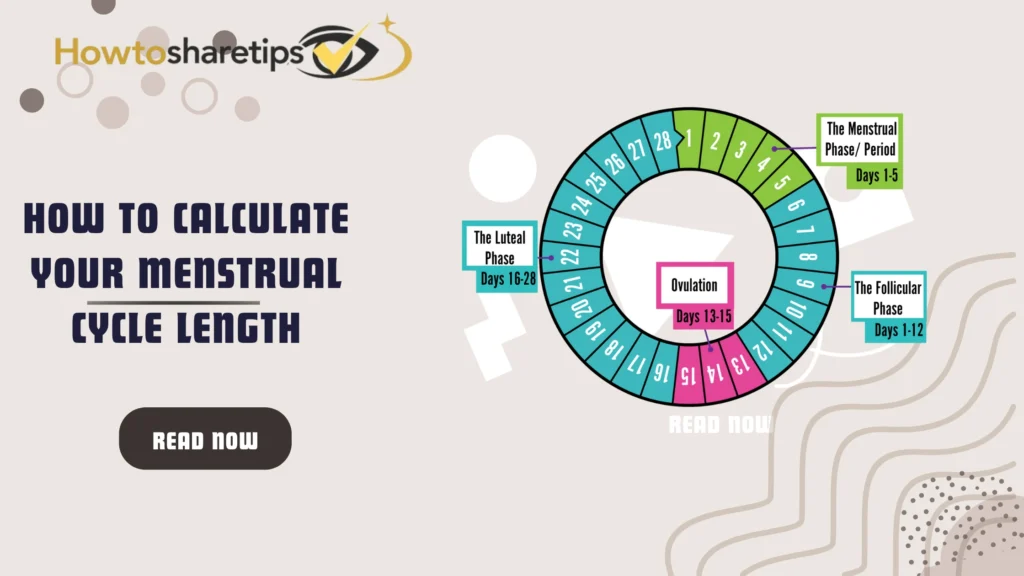

Knowing your menstrual cycle length is an important step in understanding your reproductive health. Many people mistakenly think cycle length is the number of days they bleed, but it actually refers to the total number of days from the first day of your period to the day before your next period begins.
For example, if your period starts on July 4th, that day is counted as day one of your cycle. Tracking your cycle length over time can help you:
-
Identify your fertile window: By knowing your cycle length, you can estimate when ovulation occurs, which is key for conception or avoiding pregnancy.
-
Plan for pregnancy or contraception: Accurate tracking helps you predict your most fertile days or schedule contraceptive measures effectively.
-
Recognize irregularities in your menstrual health: Sudden changes in cycle length, unusually short or long cycles, or missed periods may indicate hormonal imbalances or other health concerns.
By focusing on the full cycle rather than just bleeding days, you gain better insight into your reproductive system and overall health.
How to Count Your Cycle Days Accurately
To measure your cycle length correctly, follow these steps carefully:
-
Start Counting on Day One: The first day you notice bleeding marks the beginning of your cycle. Even light spotting counts as day one.
-
Include All Days Until the Next Period: Continue counting each day, including days you are not bleeding, until the day before your next period begins.
Example:
-
July 4th – Day 1 of cycle
-
July 5th – Day 2
-
July 6th – Day 3
-
July 7th – Day 4 (end of period)
If your next period starts on July 29th, count all days from July 4th to July 28th, which equals 25 days. This method allows you to see patterns, predict your next period, and notice early warning signs of irregularities.
Understanding Normal and Abnormal Cycle Lengths
Menstrual cycles vary from person to person, but a healthy cycle generally lasts 21–35 days.
-
Normal cycles (21–35 days): Most women fall into this range. Even if your period starts on different days each month, as long as your cycle remains within this window, it is considered healthy.
-
Short cycles (under 21 days): A consistently short cycle could indicate hormonal issues or conditions such as hyperthyroidism.
-
Long cycles (over 35 days): Frequently long cycles may signal irregular ovulation, polycystic ovary syndrome (PCOS), or other endocrine issues.
Tips for tracking your cycle effectively:
-
Record cycles for several months: This helps you identify your personal pattern and detect any unusual changes.
-
Note start and end dates of periods: Including bleeding intensity helps you notice abnormalities.
-
Track symptoms: Record cramps, mood changes, or other premenstrual symptoms for better health monitoring.
Regular tracking gives you a baseline for what is normal for your body.
Calculating When to Expect Your Next Period
Knowing your cycle length lets you predict when your next period will start:
-
Start from the first day of your last period.
-
Count forward the number of days in your cycle.
-
The next day after the count ends is your expected period start.
Example:
-
Last period: July 2nd
-
Cycle length: 25 days
-
Count through July 26th (day 25)
-
Expected next period: July 27th
This helps you plan for events, appointments, or manage symptoms proactively.
Why Tracking Your Menstrual Cycle Is Important
Tracking your menstrual cycle provides many health benefits:
-
Fertility Monitoring: Knowing when you ovulate can help you plan for pregnancy, or better understand your fertile window if avoiding pregnancy naturally.
-
Symptom Management: By recording PMS, cramps, or headaches, you can prepare in advance and use coping strategies effectively.
-
Health Insight: Irregular cycles, heavy bleeding, or missed periods can indicate hormonal imbalances, thyroid problems, or other medical conditions.
Tools for tracking your cycle:
-
Physical calendar: Simple and visual way to mark your periods and cycle length.
-
Period tracking apps: Many apps allow logging of symptoms, cycle length, and predict your fertile window.
-
Notes on flow and symptoms: Tracking daily notes can reveal trends and assist healthcare professionals if needed.
Consistent tracking helps you make sense of your cycle and detect changes early.
Conclusion
Understanding your menstrual cycle length is crucial for reproductive health. A cycle between 21–35 days is considered normal, and consistent tracking allows you to detect irregularities, plan for pregnancy, and manage symptoms effectively.
For more tips on women’s health and fertility, subscribe to Dr. Marachi Ijema’s YouTube channel. Don’t forget to like, share, and comment to help spread awareness about menstrual health.
Frequently Asked Questions (FAQ)
1. What is a menstrual cycle and why does it matter?
A menstrual cycle is the monthly process your body goes through to prepare for pregnancy. It begins on the first day of bleeding and ends the day before your next period. Understanding your menstrual cycle is crucial for tracking fertility, predicting periods, and identifying reproductive health issues. Tracking cycles helps you notice irregularities, plan for pregnancy, and manage symptoms like cramps and PMS more effectively.
2. How do I calculate my menstrual cycle length?
To calculate your cycle length, start counting on the first day of your period. Count all days until the day before your next period begins. For example, if your period starts on July 4th and the next period starts on July 29th, your cycle length is 25 days. Cycle length includes bleeding and non-bleeding days, giving an accurate picture of your reproductive health. Tracking over several months helps identify patterns or irregularities.
3. What is a normal menstrual cycle length?
A typical menstrual cycle ranges between 21 and 35 days. Cycles shorter than 21 days or longer than 35 days may indicate hormonal imbalances, thyroid issues, or other reproductive conditions. Everyone’s cycle is different, so tracking your personal average over a few months is key to knowing what is normal for your body.
4. How can I predict my next period?
Once you know your cycle length, you can predict your next period start date. Count the total days of your cycle from the first day of your last period. For example, if your last period started on July 2nd and your cycle is 25 days, your next period is expected on July 27th. Predicting periods helps plan for appointments, travel, and managing PMS symptoms effectively.
5. How can tracking my cycle improve my fertility?
Tracking your menstrual cycle gives insight into ovulation and fertility windows. By noting your cycle length, you can identify your most fertile days, which is important for conception. Fertility tracking also helps with natural family planning and understanding when you are least likely to conceive. Apps or calendars make this process easier and more accurate.
6. What are irregular menstrual cycles?
Irregular cycles are those that consistently fall outside the 21–35 day range, or vary greatly month to month. Causes can include stress, hormonal imbalances, PCOS, thyroid issues, or sudden weight changes. Noting cycle irregularities over several months can help your healthcare provider diagnose and address potential issues early.
7. Can my cycle length change over time?
Yes, your cycle length can vary due to age, stress, diet, lifestyle, or hormonal changes. Teens and perimenopausal women often experience irregular cycles. Monitoring your cycle over months or years helps you understand what is normal for your body and when medical advice is needed.
8. How can I track my period effectively?
Effective tracking can be done using:
-
Calendars – mark start and end dates, bleeding intensity, and symptoms.
-
Period tracking apps – log cycles, symptoms, fertile windows, and ovulation predictions.
-
Manual notes – jot down PMS symptoms, cramps, or mood changes.
Consistent tracking allows you to predict periods, identify irregularities, and plan for fertility or health interventions.
9. Can menstrual cycle tracking help with PMS?
Yes. By recording your cycle and symptoms, you can anticipate premenstrual syndrome (PMS) and manage discomfort. Tracking helps you identify patterns in cramps, mood swings, and headaches, enabling lifestyle adjustments or medical guidance to relieve symptoms.
10. When should I see a doctor about my cycle?
Consult a healthcare professional if you notice:
-
Cycles consistently shorter than 21 days or longer than 35 days
-
Missed periods without pregnancy
-
Excessively heavy bleeding or severe pain
-
Sudden, unexplained changes in cycle length or symptoms
Early consultation helps detect hormonal imbalances, thyroid problems, or reproductive health conditions before they worsen.


