
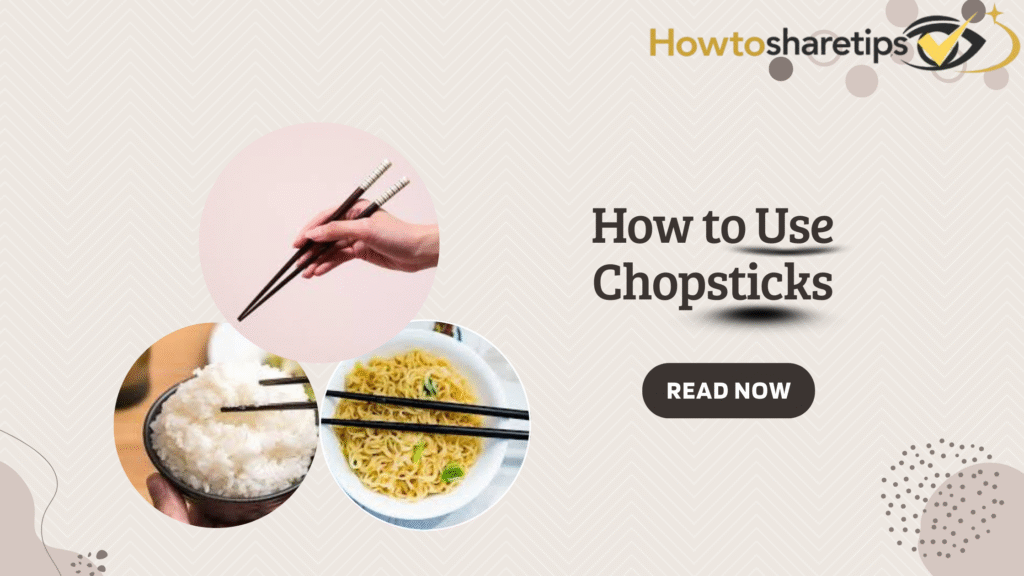

How to Use Chopsticks: A Beginner’s Guide
Chopsticks are more than just eating utensils; they are a symbol of culture, tradition, and artistry in many Asian countries. From Japan to China, Korea, and Vietnam, these simple tools carry centuries of history and etiquette, transforming an ordinary meal into a mindful experience. While using chopsticks may seem challenging at first, anyone can master this skill with practice, patience, and attention to proper technique. Understanding how to hold chopsticks correctly, respecting cultural rules, and knowing which foods are easiest to eat are the keys to becoming confident.
The Basics: How to Hold Chopsticks
Holding chopsticks correctly is the foundation of skillful use. Begin by placing one chopstick in the crease of your thumb, letting it rest against the ring finger. This chopstick remains stationary and acts as an anchor. The second chopstick is held like a pencil between the thumb, index, and middle fingers. This is the active chopstick, which moves to grip, pinch, and lift food.
The goal is to achieve balance. Your grip should be firm enough to control the food but relaxed enough to allow fluid movement. Avoid squeezing too tightly, which can crush delicate items like tofu or dumplings. Practicing with small objects such as beans, grapes, or pieces of paper can help develop the necessary coordination before attempting real food.
Chopstick Etiquette: Respecting Tradition
Chopsticks carry deep cultural significance. Using them properly demonstrates respect for the meal, the host, and the culture. One of the most important rules is never to stick chopsticks upright in rice. In several Asian traditions, this resembles the incense sticks used at funerals and symbolizes death.
Other etiquette rules include avoiding pointing at people with chopsticks, crossing them on the table, or using them to play with food. Passing food directly from chopstick to chopstick is also considered disrespectful, as it mimics rituals in funeral ceremonies. After eating, place your chopsticks neatly on a chopstick rest or across your plate instead of leaving them in a bowl or on the table. Observing these customs elevates the dining experience and shows cultural awareness.
Foods Ideal for Chopsticks
Certain foods are easier for beginners to manage with chopsticks. Sticky rice is perfect because it clumps together, making it simple to pick up. Noodles, especially ramen or udon, allow users to practice gripping and lifting long strands without dropping them. Dumplings, whether steamed, boiled, or fried, are ideal because their edges provide a natural pinching point.
Sushi, tofu, stir-fry dishes, and small pre-cut pieces of meat or vegetables are also excellent options. Avoid slippery or overly large items at first, as they can be frustrating for beginners. Starting with these manageable foods builds confidence and allows practice without discouragement.
Common Mistakes to Avoid
Even experienced users can develop bad habits. One common mistake is rubbing disposable chopsticks together to remove splinters, which is considered rude because it implies the chopsticks are poor quality. Sticking chopsticks upright in rice is another error, carrying a symbolic meaning of death. Pointing with chopsticks, drumming on dishes, or passing food directly from chopstick to chopstick are other missteps that show a lack of respect for cultural etiquette.
Another frequent issue is gripping too tightly or stabbing food instead of pinching it. Chopsticks are designed for precision, not for skewering. Practicing proper technique and being mindful of these errors ensures both skillful and culturally respectful use.
Tips to Improve Chopstick Skills
-
Practice with Everyday Objects: Begin with small items like beans, grapes, or coins to develop coordination. Gradually move on to food as you become more confident.
-
Start Simple: Use sticky rice, noodles, or pre-cut vegetables. Avoid slippery, greasy, or oversized foods until your skills improve.
-
Be Patient: Mastery takes time. Regular practice, even for a few minutes daily, will build muscle memory and improve control.
-
Observe Others: Watch experienced users or instructional videos to understand grip, posture, and wrist movement.
-
Focus on Balance: Keep the bottom chopstick still while moving only the top one. Smooth, controlled motion is more effective than forceful pinching.
Benefits of Using Chopsticks
Using chopsticks is not only practical but also enriches the dining experience. Meals eaten with chopsticks often encourage slower eating, leading to better digestion and greater mindfulness. This method of eating allows you to savor each bite and appreciate textures, flavors, and presentation. The skill also strengthens fine motor control and coordination, offering a small daily exercise for your hands and fingers.
Furthermore, understanding chopstick etiquette fosters cultural awareness and respect. Whether dining at home or at an Asian restaurant, using chopsticks correctly demonstrates courtesy and appreciation for the tradition behind these utensils.
Conclusion
Chopsticks are more than eating tools—they are a bridge to cultural appreciation and mindful dining. With the right grip, awareness of etiquette, and consistent practice, anyone can become proficient. Beginning with simple foods, avoiding common mistakes, and observing proper technique will allow you to enjoy the full experience. Over time, using chopsticks not only enhances your meals but also strengthens coordination, patience, and cultural understanding.
Mastering chopsticks transforms ordinary dining into a thoughtful and enjoyable ritual, connecting you to centuries of tradition with each meal. Embrace the practice, enjoy the journey, and savor both the food and the culture it represents.
Frequently Asked Questions (FAQs) About Using Chopsticks
Chopsticks are an essential part of many Asian dining traditions and can seem intimidating to beginners. However, with guidance and consistent practice, anyone can become proficient. The following FAQs cover the most common questions about learning to use chopsticks, from proper technique and etiquette to food choices and skill-building strategies.
1. Can anyone learn to use chopsticks, even beginners?
Yes, anyone can learn to use chopsticks, regardless of prior experience. Many people assume that using chopsticks requires years of practice, but the truth is that most beginners can pick up the basics within a few days of consistent effort. The key lies in understanding the mechanics: one chopstick acts as a stationary anchor while the other moves to grasp food. This concept may take some time to master, but once the movement becomes familiar, it is straightforward.
For beginners, starting with soft or sticky foods is recommended. Sticky rice, small dumplings, or cut vegetables provide a stable surface for pinching, reducing the frustration of dropping or breaking food. By beginning with manageable foods, learners can build confidence and reinforce proper hand positioning. Over time, regular practice helps develop muscle memory, allowing the use of chopsticks to feel natural. In addition, practicing with small objects like beans, grapes, or even coins at home can accelerate progress. This approach strengthens fine motor skills and enhances precision before attempting slippery or challenging foods in a real dining setting.
Understanding that learning chopsticks is a gradual process is crucial. Patience, repetition, and a relaxed mindset make the journey easier and more enjoyable. Even children and older adults can learn successfully, proving that chopstick proficiency is achievable for anyone willing to invest time and focus.
2. How do I hold chopsticks correctly?
Holding chopsticks correctly is the foundation of skillful use, and mastering this technique makes dining easier and more enjoyable. Begin by placing one chopstick in the crease of your thumb and allowing it to rest against your ring finger. This chopstick remains stationary and serves as an anchor, providing stability for the hand. It is crucial to keep this chopstick completely still during use, as any movement can make pinching food difficult.
The second chopstick is held like a pencil, using the thumb, index finger, and middle finger. This chopstick is the active one and moves to pinch, lift, and manipulate food. The motion should come from the fingers rather than the wrist, ensuring a precise and controlled grip. Maintaining a relaxed hold is equally important; a grip that is too tight can crush delicate foods like tofu, dumplings, or sushi. Conversely, a grip that is too loose may result in slipping or dropping food.
Once the proper hold is established, practice simple exercises to develop coordination. For example, try picking up small objects, such as beans or marbles, and transferring them from one bowl to another. Gradually increase the size and complexity of the items you pick up. This practice builds confidence, improves dexterity, and makes using chopsticks with real meals much easier.
Understanding the correct hold also minimizes strain on the hand and fingers. Over time, holding chopsticks becomes second nature, allowing for smooth and elegant movements while eating. Mastering the hold early ensures that future use is comfortable, precise, and culturally appropriate.
3. Are there cultural rules I should know?
Yes, chopsticks carry significant cultural meaning in many Asian countries, and observing etiquette demonstrates respect for these traditions. One of the most important rules is to avoid sticking chopsticks upright in rice. In countries like China and Japan, this practice is associated with funeral rituals and is considered a symbol of death. Doing so at the dining table is viewed as highly disrespectful.
Other cultural rules include avoiding pointing at people with chopsticks, crossing chopsticks on the table, or using them as toys. Such behaviors are seen as impolite and can disrupt the dining experience. Similarly, passing food directly from chopstick to chopstick should be avoided, as it mimics ceremonial practices used in funerals, which can be uncomfortable or offensive to others.
Chopstick etiquette also involves careful placement when not in use. Resting chopsticks on a chopstick rest or neatly across the side of a plate indicates respect and organization. Rubbing disposable chopsticks together is another action to avoid, as it implies poor quality and can insult a host.
Learning and observing these rules not only improves personal dining skills but also deepens cultural understanding. Whether eating in a restaurant, at a friend’s house, or traveling abroad, proper etiquette enhances the dining experience and shows mindfulness toward the cultural context.
4. What foods are easiest to eat with chopsticks?
For beginners, choosing the right foods is essential for building confidence and skill. Sticky rice is ideal because its clumped texture makes it easier to pick up without slipping. Noodles, such as ramen, udon, or soba, provide an opportunity to practice both pinching and lifting long strands. Dumplings are excellent for beginners, as the edges allow for a natural grip.
Sushi, tofu, stir-fry dishes, and small, pre-cut pieces of meat or vegetables are also suitable choices. These foods are firm enough to hold but soft enough to prevent crushing or breaking during pinching. Starting with bite-sized pieces makes handling easier, while gradually progressing to more challenging foods like slippery fish or larger noodle bundles enhances dexterity.
Avoid foods that are excessively oily, large, or unstable at first. For example, slippery raw fish or very large pieces of fried chicken can be frustrating for beginners. Instead, focus on manageable portions to build confidence and reinforce proper technique.
Understanding which foods are easiest to manage with chopsticks allows learners to practice effectively while minimizing frustration. Over time, as skill improves, users can comfortably handle a wider variety of dishes, including traditional Asian meals that may be more complex.
5. How can I improve my chopstick skills quickly?
Improving chopstick skills requires consistent practice, patience, and strategic exercises. Start by practicing with small objects at home, such as beans, grapes, or coins. These items are ideal for training finger coordination and control before handling real food. Gradually progress to soft, sticky, or pre-cut foods to build confidence with actual meals.
Daily practice is key. Even a few minutes per day helps develop muscle memory, enhancing dexterity and precision. Focus on controlled movements rather than speed at first, as accuracy is more important than rushing. Over time, smooth and coordinated motion will naturally improve.
Observing experienced chopstick users can also accelerate learning. Watching videos or dining with skilled friends provides insight into hand positioning, wrist movement, and subtle techniques that enhance efficiency. Additionally, experimenting with different types of chopsticks—wooden, metal, or plastic—can help determine which is most comfortable and effective for the user.
Beginners should also remember that learning is a gradual process. It is normal to drop food or struggle at first, but persistence leads to improvement. Tracking progress and gradually increasing the difficulty of foods handled ensures continuous skill development. Over weeks or months, using chopsticks becomes intuitive, efficient, and even enjoyable.
Mastery of chopsticks not only improves dining capability but also fosters patience, mindfulness, and cultural appreciation. With consistent effort, anyone can become proficient, turning a simple meal into a thoughtful and rewarding experience.